

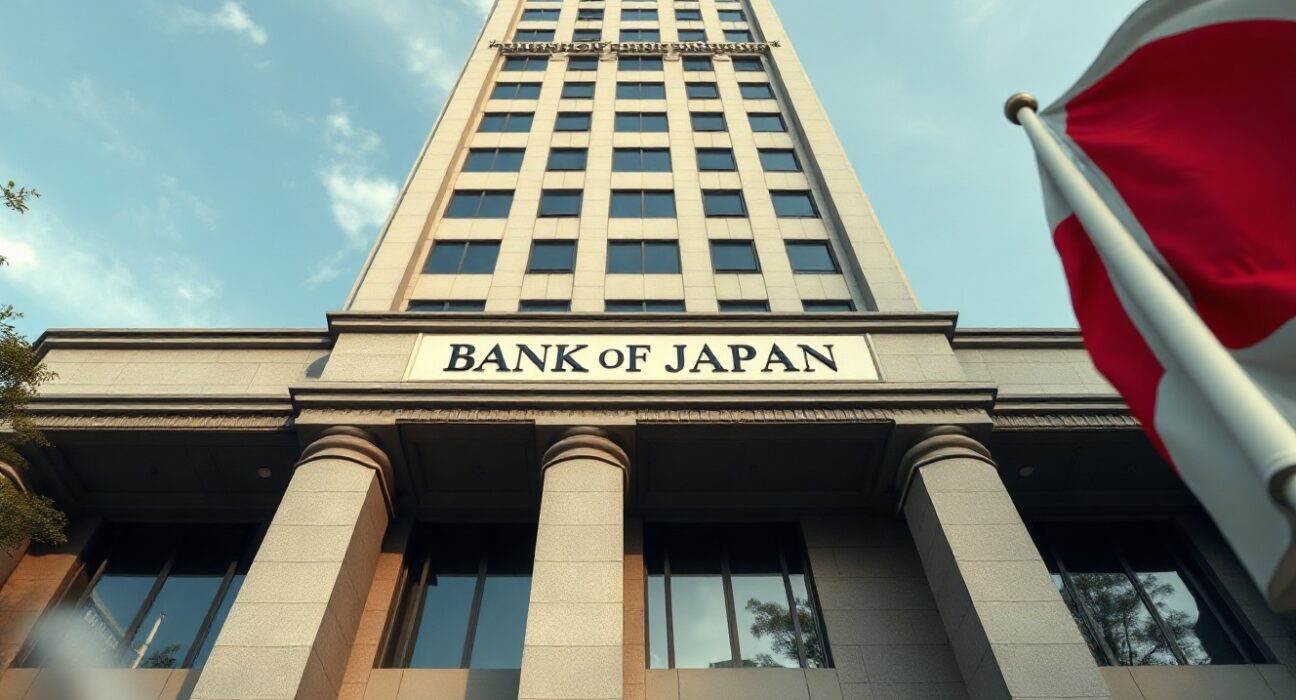
Japan’s foreign reserves dipped to $1287.1 billion in July, down from $1287.5 billion in the previous month, according to official data released by the Ministry of Finance. The marginal decline of approximately $0.4 billion reflects minor valuation changes in Japan’s external assets, though the overall level remains robust.
What drove the change?
The slight decrease in Japan’s foreign reserves is primarily attributed to fluctuations in the market value of securities and foreign currency deposits, as well as changes in gold prices and other reserve components. While the exact breakdown for July has not been detailed, historical patterns suggest that movements in the yen exchange rate and global bond yields are key drivers. The reserves remain well above the $1.2 trillion mark, indicating a stable external position.
Context and historical perspective
Japan’s foreign reserves are among the largest in the world, second only to China’s. They include foreign currency assets, gold, IMF reserve positions, and Special Drawing Rights (SDRs). The reserves provide a buffer against external shocks and support the government’s ability to intervene in currency markets if needed. The July figure continues a trend of relative stability seen over the past year, with fluctuations typically staying within a narrow band.
Why this matters
For investors and economists, changes in foreign reserves are a gauge of a country’s economic health and its capacity to manage exchange rate volatility. A stable reserve level reassures markets of Japan’s financial resilience, especially amid global economic uncertainties. The modest decline is unlikely to trigger any policy response, as the reserves remain ample.
Conclusion
Japan’s foreign reserves saw a slight dip in July, but the change is minor and within normal fluctuations. The country’s external position remains strong, supported by a diversified portfolio of assets. Market watchers will continue to monitor the data for any signs of larger shifts, but for now, the decline is seen as benign.
FAQs
Q1: What are foreign reserves?
Foreign reserves are assets held by a central bank or monetary authority, typically in foreign currencies, gold, and other international assets. They are used to back liabilities and influence monetary policy.
Q2: Why did Japan’s foreign reserves decline?
The decline is likely due to changes in the market value of securities and currency fluctuations. It’s a routine adjustment rather than a sign of economic distress.
Q3: How significant is the drop?
The drop of $0.4 billion is negligible compared to the total reserves of $1287.1 billion. It represents less than 0.03% of the total, indicating no cause for concern.
Disclaimer: The information provided is not trading advice, Bitcoinworld.co.in holds no liability for any investments made based on the information provided on this page. We strongly recommend independent research and/or consultation with a qualified professional before making any investment decisions.
