

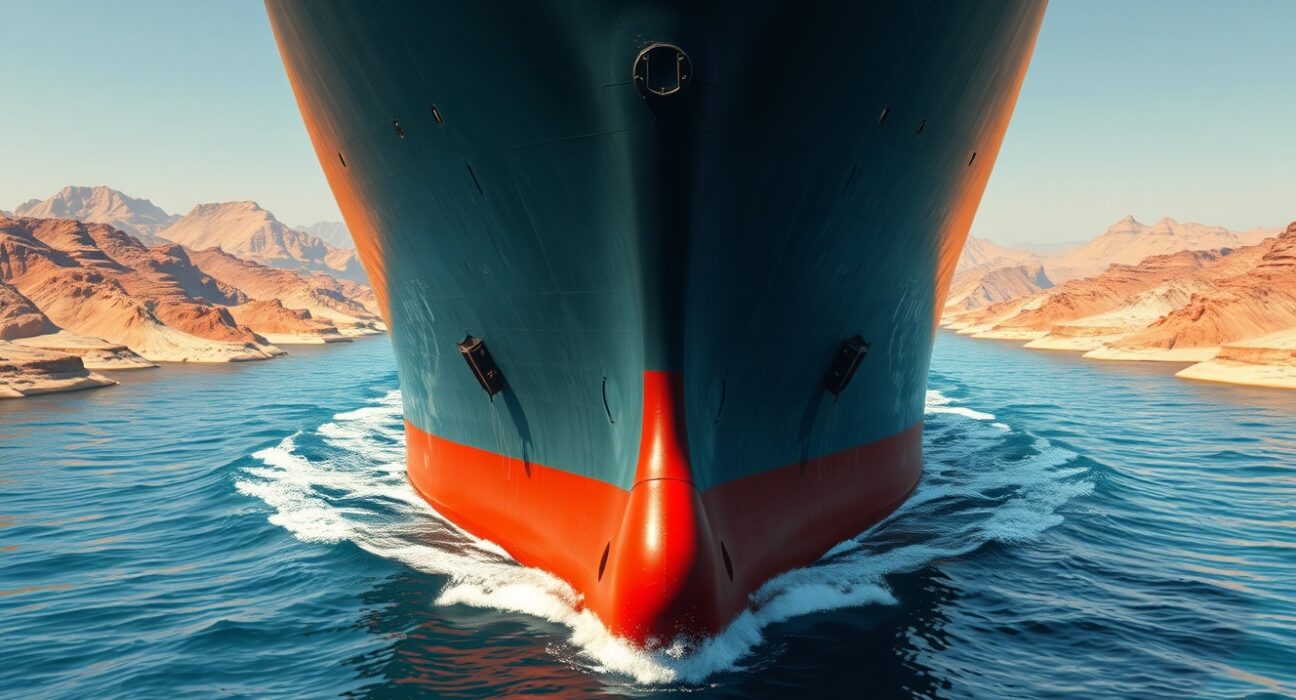
DOHA, Qatar – March 15, 2025 – Qatar’s finance minister issued a critical warning today that severe economic damage could strike within one to two months if passage through the Strait of Hormuz becomes restricted. He emphasized that current energy price surges represent merely the tip of a dangerous iceberg. Furthermore, he cautioned that damage to Qatar’s liquefied natural gas infrastructure could trigger a global energy and food crisis. Consequently, recovery from such disruption might require years of concerted international effort.
Qatar’s Dire Economic Warning Explained
Qatar’s finance minister delivered his stark assessment during a regional economic forum in Doha. He specifically highlighted the Strait of Hormuz as the world’s most critical energy chokepoint. This narrow waterway separates the Persian Gulf from the Gulf of Oman. Moreover, approximately 21 million barrels of oil pass through it daily. That volume represents about 21% of global petroleum liquid consumption. Additionally, Qatar exports over 80 million tons of LNG annually via this route. Therefore, any sustained blockage would have immediate and catastrophic consequences.
The minister’s timeline of one to two months stems from global inventory buffers. Strategic petroleum reserves in consuming nations provide limited temporary coverage. However, LNG markets operate with far less flexibility than oil markets. Specialized tankers and regasification terminals create rigid supply chains. Disrupting these chains causes rapid price spikes and supply shortfalls. European and Asian importers would face severe shortages first.
The Strait of Hormuz as a Global Chokepoint
The Strait of Hormuz measures just 21 nautical miles wide at its narrowest point. Its navigable width is even more constrained. Shipping channels require careful navigation to avoid collisions and groundings. Historically, tensions in this region have caused significant market volatility. For instance, tanker attacks in 2019 temporarily increased insurance premiums by 300%. A full-scale conflict involving Iran would likely see mine deployments or anti-ship missile use. Such actions could halt commercial traffic completely.
Beyond oil, the strait serves as Qatar’s exclusive export route for liquefied natural gas. Qatar is the world’s second-largest LNG exporter after the United States. It supplies about 20% of global LNG trade. Major customers include Japan, South Korea, India, and several European nations. These countries rely on consistent LNG deliveries for electricity generation and heating. Any interruption would force emergency rationing measures.
Infrastructure Vulnerability and Cascading Effects
Qatar’s minister specifically noted vulnerability to LNG infrastructure damage. The country’s massive North Field represents the world’s largest non-associated gas field. Gas processing and liquefaction facilities occupy Qatar’s northeastern coast. These industrial complexes sit within potential missile range from across the Gulf. Even a single successful strike could disable critical export capacity for months. Repairing cryogenic equipment requires specialized parts and technicians.
The warning extends beyond energy to food security. Qatar is a major exporter of helium and fertilizers. Helium is critical for medical MRI machines and semiconductor manufacturing. Fertilizers like urea and ammonia support global agricultural production. Disrupting these exports would therefore impact healthcare and food systems worldwide. This creates a dangerous multi-dimensional crisis.
Global Energy and Food Shortage Projections
Analysts from the International Energy Agency (IEA) have modeled similar disruption scenarios. Their 2024 report indicated a Strait of Hormuz closure would remove 20-30% of global LNG supply immediately. Oil prices could surpass $200 per barrel within weeks. Developing nations with limited strategic reserves would suffer most acutely. The IEA estimates global economic growth would contract by 2-3% in such a scenario.
Food security intertwines with energy security through fertilizer production. Natural gas serves as the primary feedstock for ammonia-based fertilizers. Qatar’s fertilizer exports help feed millions globally. Disrupting these supplies would reduce crop yields in importing nations. Food inflation would accelerate dramatically. The World Food Programme has previously warned about such cascade effects.
Key impacts of a prolonged Strait of Hormuz closure include:
- Immediate LNG supply shortfalls in Asia and Europe
- Global oil price spikes exceeding historical records
- Emergency energy rationing in import-dependent nations
- Disruptions to helium supplies affecting healthcare and technology
- Fertilizer shortages reducing agricultural output
- Potential recession in energy-importing economies
Historical Context and Regional Tensions
The current warning emerges against escalating regional tensions. Iran has repeatedly threatened to close the Strait of Hormuz if confronted militarily. Iranian naval exercises frequently simulate blockade operations. Meanwhile, the United States maintains a substantial naval presence in the region. Fifth Fleet headquarters in Bahrain coordinates international patrols. This creates a volatile standoff with significant miscalculation risk.
Previous incidents demonstrate the fragility of this equilibrium. In 2021, Iranian forces seized a South Korean tanker. In 2022, Houthi attacks targeted UAE facilities. Each event caused temporary market panic. However, a direct state-on-state conflict would produce far more severe consequences. Diplomatic channels remain open but strained. The Qatar minister’s statement likely aims to encourage renewed diplomatic engagement.
Economic Diversification Efforts and Limitations
Qatar has pursued economic diversification through its National Vision 2030 program. Investments in finance, technology, and tourism reduce hydrocarbon dependence. Nevertheless, oil and gas still constitute about 50% of government revenue. They represent over 85% of export earnings. Therefore, protecting energy infrastructure remains the absolute priority. The country maintains strong defense partnerships but recognizes inherent vulnerabilities.
Other Gulf Cooperation Council (GCC) states face similar exposure. The United Arab Emirates developed alternative pipelines bypassing the strait. However, these pipelines possess limited capacity. Saudi Arabia’s East-West pipeline also offers partial redundancy. Qatar lacks comparable alternative export routes for its massive LNG volumes. This creates asymmetric risk within the region.
International Response and Contingency Planning
Major energy importers have developed contingency plans for Strait of Hormuz disruptions. Japan and South Korea maintain among the world’s largest strategic petroleum reserves. The European Union recently established a mandatory gas storage requirement. However, these measures address only short-term interruptions. A months-long closure would exhaust available buffers. International energy agencies could coordinate emergency stock releases.
Military protection of shipping represents another response option. The International Maritime Security Construct (IMSC) currently patrols the region. This multinational coalition includes the United States, United Kingdom, and Australia. Its mission focuses on deterring attacks against commercial vessels. However, it cannot guarantee safe passage during full-scale conflict. Insurance markets would likely suspend coverage entirely.
Comparative table of strategic chokepoints:
| Chokepoint | Daily Oil Flow (mbd) | Alternative Routes | Conflict History |
|---|---|---|---|
| Strait of Hormuz | 21.0 | Limited pipeline capacity | Frequent tensions |
| Strait of Malacca | 16.0 | Longer voyages around Australia | Piracy incidents |
| Suez Canal | 5.5 | Route around Africa | 2021 blockage |
| Danish Straits | 3.3 | No practical alternatives | Low conflict risk |
Conclusion
Qatar’s finance minister delivered a sobering assessment of global economic vulnerability. His warning about severe economic damage within one to two months highlights immediate risks. The Strait of Hormuz represents an irreplaceable artery for global energy flows. Furthermore, Qatar’s LNG, helium, and fertilizer exports support critical worldwide systems. Consequently, regional conflict prevention deserves utmost international priority. Diplomatic solutions must prevail to avoid catastrophic supply disruptions. The world cannot afford a protracted closure of this vital waterway.
FAQs
Q1: Why is Qatar particularly vulnerable to Strait of Hormuz disruptions?
Qatar exports virtually all its liquefied natural gas through the Strait of Hormuz. Unlike oil, LNG requires specialized transport and cannot easily be rerouted through pipelines. The country’s massive LNG infrastructure is also geographically exposed to potential conflict.
Q2: How would a Strait of Hormuz closure affect global food supplies?
Qatar is a major fertilizer exporter, and natural gas is the primary feedstock for fertilizer production. Disrupting these exports would reduce global fertilizer availability, potentially decreasing agricultural yields and increasing food prices worldwide.
Q3: What makes the one-to-two-month timeline significant?
This timeline reflects the depletion rate of global strategic petroleum reserves and the inflexibility of LNG supply chains. Most importing nations maintain 90-120 days of oil reserves, but LNG storage is much more limited, creating faster impacts.
Q4: Have there been previous attempts to close the Strait of Hormuz?
Iran has threatened closure multiple times during periods of tension but has never executed a sustained blockade. However, there have been numerous attacks on shipping and temporary disruptions that caused significant market volatility.
Q5: What alternatives exist if the Strait of Hormuz closes?
Limited pipeline capacity from UAE and Saudi Arabia could bypass the strait for some oil, but these routes cannot handle current volumes. For LNG, no practical alternatives exist, as Qatar’s exports must travel by specialized tankers through the Persian Gulf.
Disclaimer: The information provided is not trading advice, Bitcoinworld.co.in holds no liability for any investments made based on the information provided on this page. We strongly recommend independent research and/or consultation with a qualified professional before making any investment decisions.
