

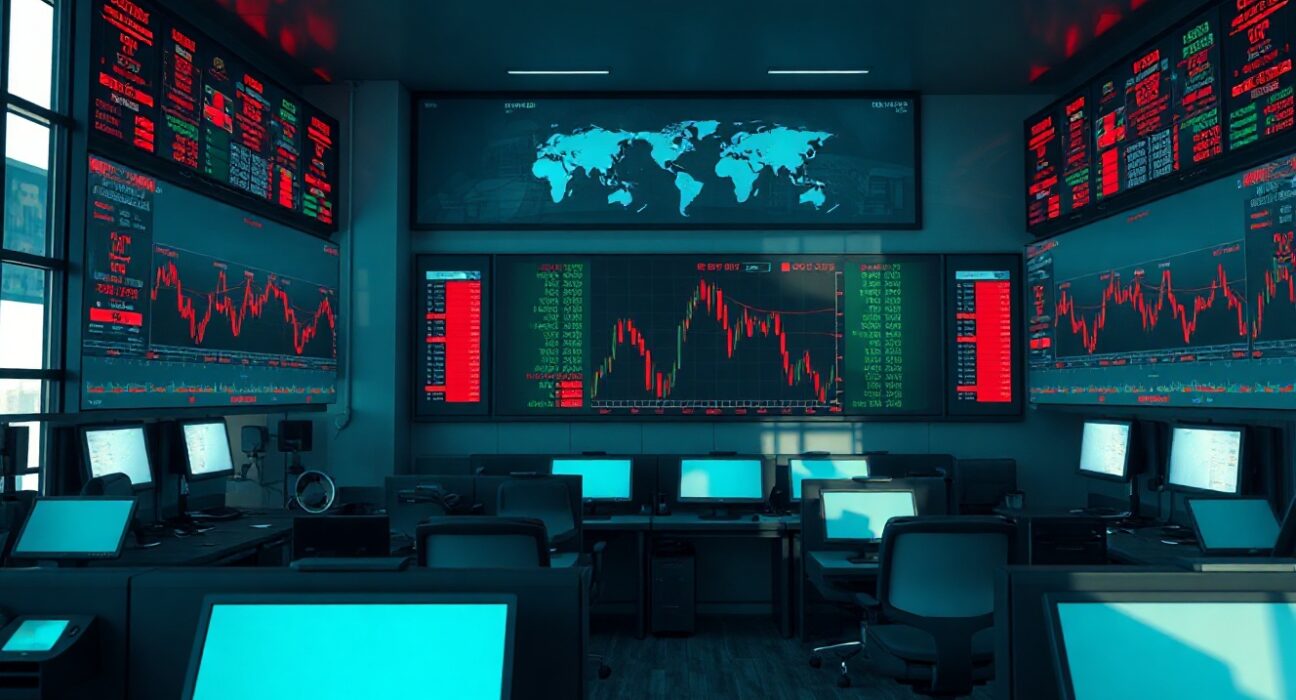
Markets enter the new week with a paradox: trading volumes are thin, yet the potential for volatility is far from muted. Geopolitical flashpoints and shifting central bank expectations are set to test the summer lull, keeping investors on edge even as many desks operate at reduced capacity.
Why the Summer Lull Is No Longer a Safe Bet
The traditional August slowdown, when liquidity dries up and price moves often exaggerate, is colliding with a macro calendar that is anything but quiet. Geopolitical tensions, particularly around energy supplies and trade routes, remain a live risk that can spark sudden risk-off moves in a low-liquidity environment. At the same time, central bank communication is under the microscope, with markets parsing every hint for clues on the path of interest rates.
This combination means that the usual advice to “stay flat” during summer may not hold. Even small news headlines can trigger outsized moves, as seen in previous years when geopolitical shocks or surprise policy signals hit during quiet trading hours.
Central Bank Expectations: The Key Driver
The core of the week’s focus is the evolving narrative around major central banks. After a period of aggressive tightening, investors are now debating the timing and magnitude of potential cuts. However, sticky inflation and resilient labor markets have led to a repricing of rate-cut bets, causing volatility in bond yields and, by extension, equity valuations.
Any comments from policymakers, whether in speeches or meeting minutes, will be scrutinized for shifts in tone. The market is currently pricing in a certain trajectory, but any deviation from that path could trigger a sharp adjustment. This is particularly true in the current environment where positioning is stretched and liquidity is thin.
Geopolitical Risks in Focus
Beyond central banks, geopolitical developments remain a wildcard. Energy markets are sensitive to any disruption in supply chains, and any escalation in ongoing conflicts could quickly translate into higher oil prices and a flight to safe-haven assets. This, in turn, would complicate the inflation outlook and force central banks to reassess their policy stance.
Investors should monitor headlines from key regions, as even unconfirmed reports can move markets. The interplay between geopolitics and monetary policy is a delicate balance, and the summer lull provides no immunity from these risks.
What This Means for Investors
For investors, the takeaway is to stay nimble and avoid complacency. While the summer lull often encourages a hands-off approach, the current confluence of risks suggests that a proactive risk management strategy is essential. This includes reviewing portfolio hedges, maintaining liquidity, and being prepared to act on sudden market moves.
Moreover, understanding the central bank reaction function is more critical than ever. The market’s sensitivity to policy signals is heightened, and any misalignment between expectations and reality will likely lead to volatility. Staying informed on the latest data and policy communication is key to navigating this period.
Conclusion
In summary, the week ahead is set to test the resilience of the summer lull. Geopolitical tensions and central bank expectations are the twin forces that could break the calm. Investors should not underestimate the potential for sharp moves in thin liquidity, and a focus on risk management and information flow will be essential.
FAQs
Q1: Why is the summer lull considered risky for markets?
The summer lull is risky because trading volumes are low, which can amplify price moves when unexpected news hits. This can lead to sudden and sharp market reactions, making it a period of heightened volatility despite the quiet surface.
Q2: How do central bank expectations affect the market?
Central bank expectations influence interest rate projections, which in turn affect bond yields, equity valuations, and currency strength. Any shift in policy expectations can trigger significant market adjustments, especially when positioning is stretched.
Q3: What should investors do during a period of geopolitical and central bank uncertainty?
Investors should maintain a diversified portfolio, consider hedging strategies, and stay informed on policy signals and geopolitical developments. Being prepared for sudden moves and having a clear risk management plan is crucial during such periods.
Disclaimer: The information provided is not trading advice, Bitcoinworld.co.in holds no liability for any investments made based on the information provided on this page. We strongly recommend independent research and/or consultation with a qualified professional before making any investment decisions.
