

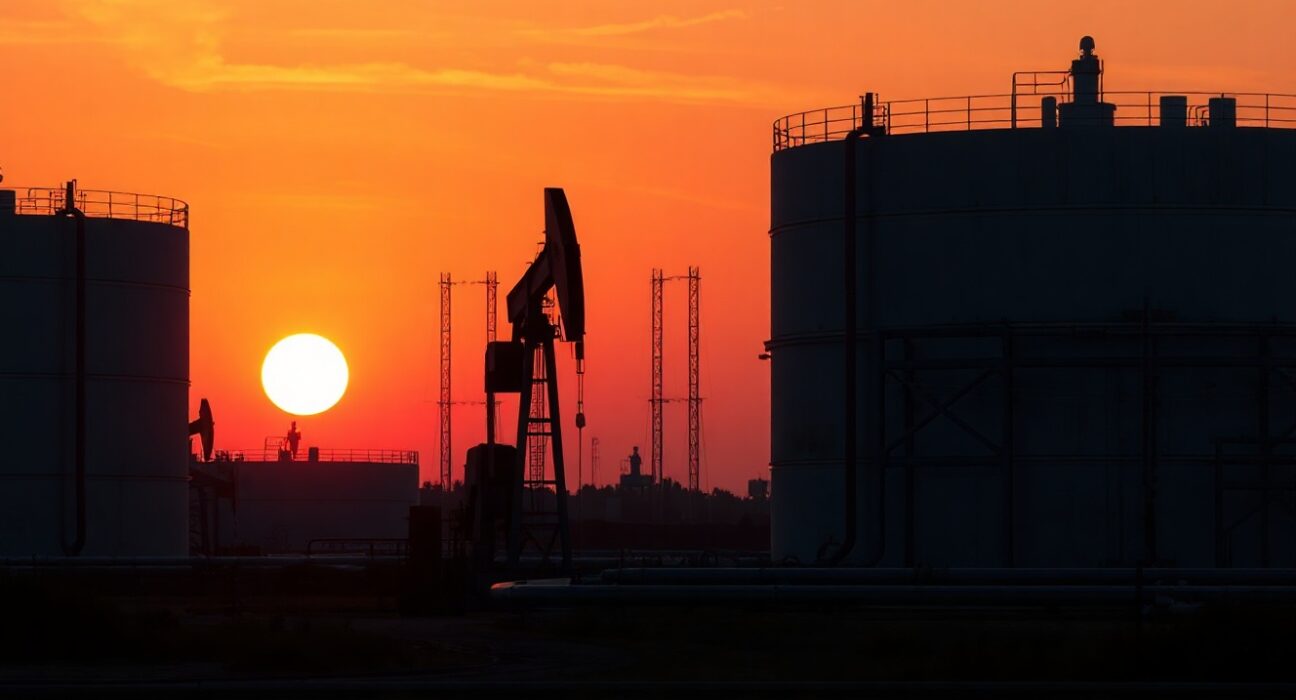
West Texas Intermediate (WTI) crude oil prices declined on Monday, retreating from recent highs as diplomatic signals between the United States and Iran suggested progress in nuclear negotiations, alongside fresh assurances regarding the safety of maritime traffic through the Strait of Hormuz. The developments prompted traders to unwind a portion of the geopolitical risk premium that had been baked into crude prices over the past several weeks.
Geopolitical Risk Premium Fades on Diplomatic Signals
WTI crude futures for delivery in March fell by approximately 1.8% during the morning trading session in New York, settling near $76.50 per barrel after briefly touching resistance above $78 last week. The decline was driven primarily by reports that indirect US-Iran talks in Oman had produced tentative consensus on key nuclear enrichment thresholds, reducing the likelihood of an immediate escalation in the Middle East.
Iranian officials also issued public statements guaranteeing the uninterrupted flow of oil tankers through the Strait of Hormuz, a chokepoint through which roughly one-fifth of the world’s petroleum passes. The assurances, combined with a lack of any recent naval incidents in the region, gave traders confidence that supply routes would remain open in the near term.
Market Implications: What the Move Means for Traders and Consumers
The unwinding of the risk premium has direct implications for energy markets and consumers. A sustained decline in WTI could translate into lower gasoline prices at the pump in the coming weeks, assuming no new supply disruptions emerge. For traders, the move signals that crude markets remain highly sensitive to headline risk, with geopolitical developments capable of adding or removing $3 to $5 per barrel in short order.
Analysts at several major investment banks have noted that the current supply-demand balance is relatively comfortable, with OPEC+ spare capacity and steady US production growth providing a buffer against sudden price spikes. The removal of the risk premium, therefore, brings prices closer to what many consider the fundamental value range of $72 to $78 per barrel.
Broader Context: Iran Nuclear Deal and Oil Market Structure
The talks in Oman represent the most serious attempt at US-Iran rapprochement since the collapse of the 2015 Joint Comprehensive Plan of Action (JCPOA) in 2018. Any successful agreement could eventually lead to the lifting of sanctions on Iranian oil exports, potentially adding 1 million to 1.5 million barrels per day to global markets. While such an outcome remains months away, the mere prospect of increased supply is enough to cap upside price momentum.
On the demand side, economic data from China and Europe remain mixed, with industrial activity showing signs of slowing. This has further weighed on sentiment, as traders reassess the likelihood of robust oil consumption growth in the second half of the year.
Conclusion
WTI crude oil’s retreat reflects a classic case of geopolitical risk premium being priced out as diplomatic progress and supply assurances reduce the probability of disruption. While the underlying supply-demand fundamentals remain supportive of prices in the mid-$70s range, the market is likely to remain volatile in the near term as traders monitor the next rounds of US-Iran talks and any new developments in the Strait of Hormuz. For now, the risk premium has largely unwound, and the focus shifts back to economic data and OPEC+ production decisions.
FAQs
Q1: Why did WTI oil prices fall today?
WTI prices fell due to progress in US-Iran nuclear talks and Iranian assurances about safe passage through the Strait of Hormuz, which reduced the geopolitical risk premium that had been supporting prices.
Q2: What is the Strait of Hormuz and why does it matter for oil?
The Strait of Hormuz is a narrow waterway between Iran and Oman through which about 20% of the world’s oil passes. Any disruption there can cause significant price spikes due to supply concerns.
Q3: Could oil prices fall further if a US-Iran deal is reached?
Yes, a comprehensive deal that lifts sanctions on Iranian oil exports could add significant supply to global markets, potentially pushing WTI prices into the low $70s or high $60s range, depending on demand conditions at the time.
Disclaimer: The information provided is not trading advice, Bitcoinworld.co.in holds no liability for any investments made based on the information provided on this page. We strongly recommend independent research and/or consultation with a qualified professional before making any investment decisions.
