

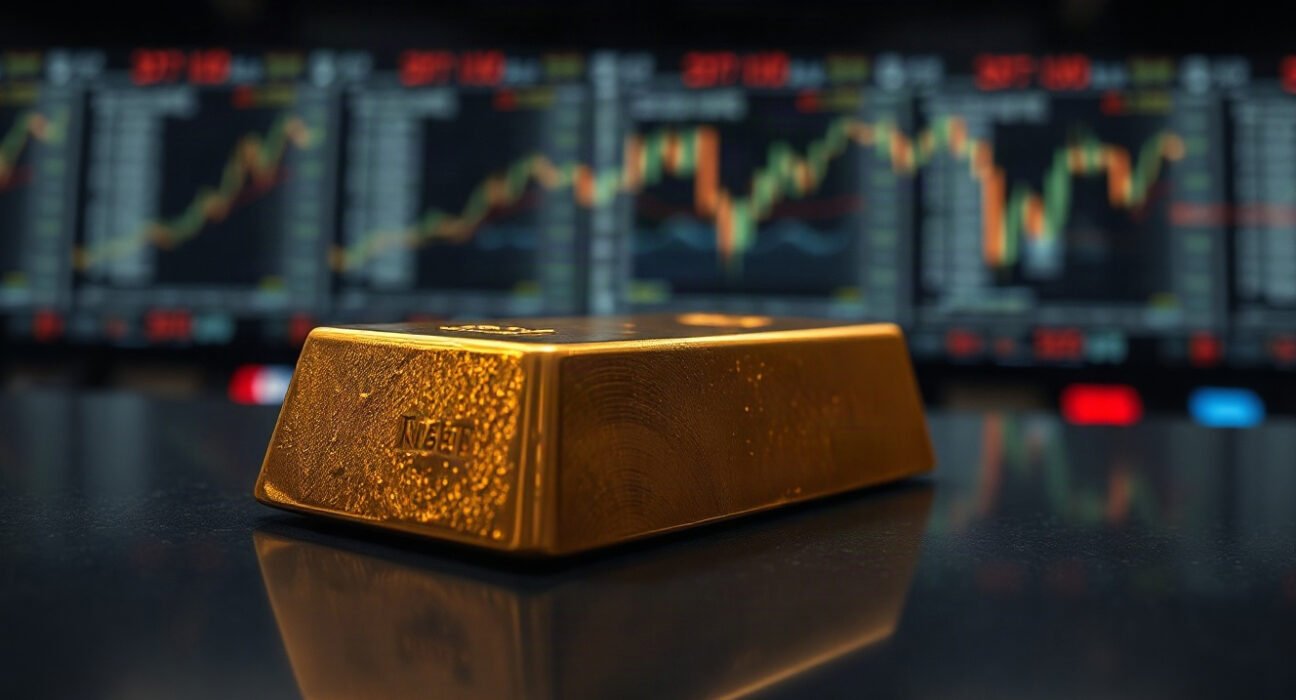
Gold prices have slipped below the $4,350 per ounce mark, pressured by a combination of rising US Treasury yields and a recalibration of expectations for Federal Reserve monetary policy, as of the latest trading session.
Why is the gold price falling?
The primary driver is the surge in US Treasury yields, which increases the opportunity cost of holding non-yielding assets like gold. Simultaneously, a series of hawkish signals from Federal Reserve officials has led investors to scale back bets on imminent interest rate cuts, further diminishing gold’s appeal.
When yields rise, the dollar typically strengthens, making gold more expensive for international buyers and exerting additional downward pressure on the metal’s price. The market is currently pricing in a lower probability of a rate cut in the near term, a significant shift from just a few weeks ago.
Market context and investor reaction
The latest price action represents a notable pullback from recent highs, reflecting a broader market reassessment of the global interest rate landscape. Investors are closely monitoring economic data releases and Fed commentary for clues about the future path of monetary policy.
This movement is part of a wider trend affecting the precious metals complex, with silver and platinum also experiencing downward corrections. The short-term outlook for gold remains tied to the trajectory of yields and the central bank’s policy decisions, with traders bracing for potential volatility.
Impact on investors and the broader market
For investors, the decline signals a challenging environment for precious metals, which had previously benefited from rate-cut speculation. The shift in sentiment highlights the market’s sensitivity to changes in the macroeconomic outlook and the critical role of the Federal Reserve in shaping asset prices.
Understanding these dynamics is crucial for anyone with exposure to commodities or related equities, as the current conditions suggest a period of adjustment and potential consolidation for gold prices.
Conclusion
Gold’s slide below $4,350 is a direct consequence of higher US yields and a more hawkish Fed stance, which together have eroded the metal’s investment case. The coming weeks will be pivotal, with market focus firmly on economic indicators and central bank communication for the next directional move.
FAQs
Q1: Why does a hawkish Fed impact gold prices?
A hawkish Fed implies a preference for tighter monetary policy, usually through higher interest rates. This strengthens the US dollar and raises bond yields, making gold, which pays no interest, a less attractive investment.
Q2: What level is gold’s next major support?
While specific technical levels can shift, market analysts are watching the $4,300 mark as a potential psychological support zone. A break below this could lead to further selling pressure.
Q3: How do US Treasury yields affect gold?
US Treasury yields represent the return on US government debt. When yields rise, they offer investors a risk-free return, drawing capital away from gold and increasing the opportunity cost of holding the metal.
Disclaimer: The information provided is not trading advice, Bitcoinworld.co.in holds no liability for any investments made based on the information provided on this page. We strongly recommend independent research and/or consultation with a qualified professional before making any investment decisions.
